
No products in the cart.
The bill arrives and it’s higher than last month. You didn’t use more — you’re almost sure of it. But the meter is his meter, in his box, and there’s nothing you can point at. So you pay it. Everyone pays it.
Here’s the part nobody mentions: you don’t have to win an argument about his meter. You only need a number of your own.
You will never get to inspect the operator’s meter. You don’t need to — you only need your own.

First, the check that costs nothing
Find the rate per kilowatt-hour on your bill. Multiply it by the units charged. Add the fixed monthly fee for your amperage. If that total doesn’t match what you were asked to pay, you have your answer without spending a lira.
Use this month’s rate
The tariff is reset monthly. An old rate will send you chasing a difference that was never there.
Amps and kilowatt-hours are not the same thing
Amperage — 5A, 10A — is not how much you use. It’s how much you may draw at any one moment. The width of the pipe. Go over it and the breaker trips.
Kilowatt-hours are what actually flowed. The water through the pipe. That is what you are billed for.


So you can be careful all month and still get a large bill, because one heavy appliance running quietly for hours costs more than a room full of lights.
Measure your own side
A power meter fits onto the line coming into your home and counts continuously. What you’re drawing now, and the running total. Both read from your phone.

Careful
Rated to 20 amps — comfortable for a 5A or 10A subscription, but never fit it to a line that carries more. It wires into the line, so have an electrician do it. Twenty minutes.
The other half: what’s eating it
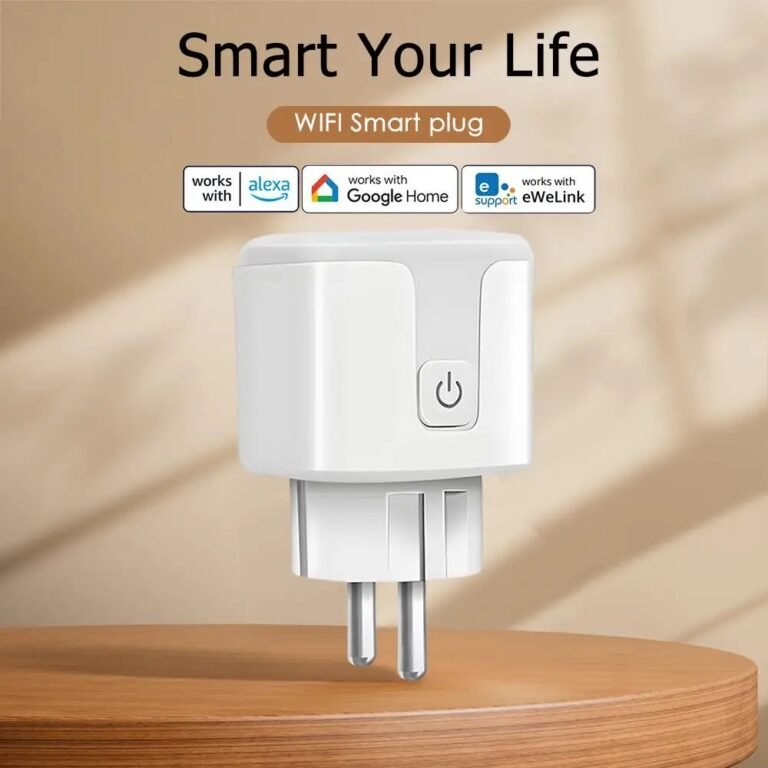
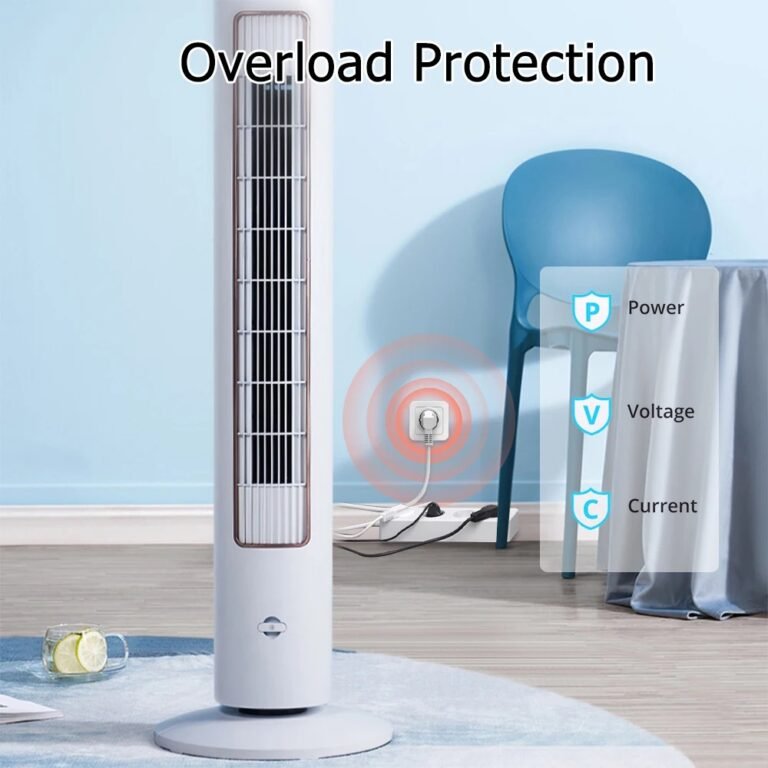
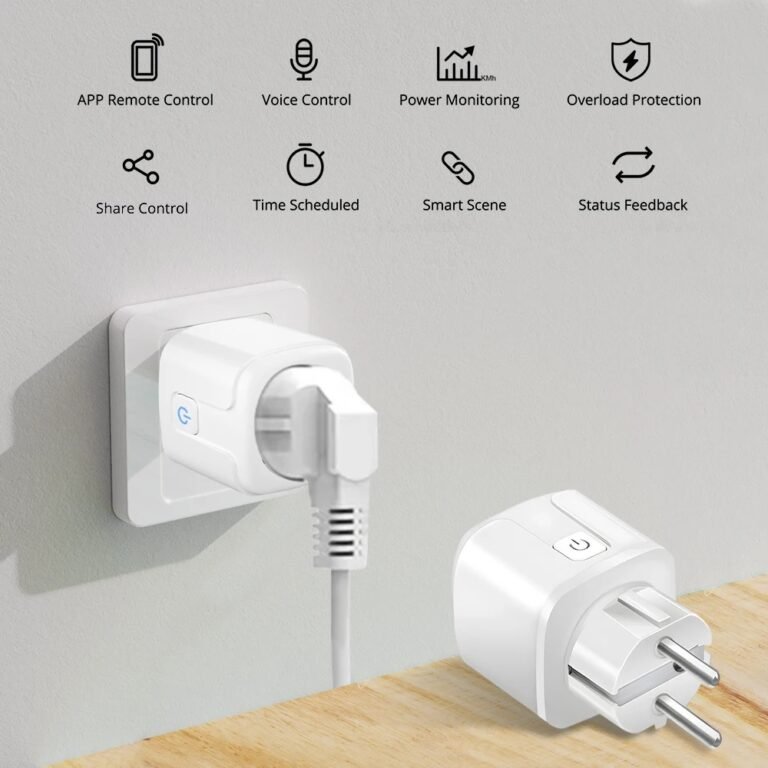
Knowing your total is useful. Knowing which appliance caused it is what saves money. A monitoring plug sits between the socket and the appliance and reports what that one thing draws.
Move it around for a week. Most people find one appliance responsible for a share of the bill they’d never have guessed — usually something that heats.


What you’ll probably find
- Often the bill is correct — and one appliance is quietly expensive. That one you control.
- Sometimes the gap is real. Now you have a record, not a feeling.
- Occasionally neither — you’re just near your amperage ceiling. Different problem, different fix.
See it working
SONOFF's own video for the meter this guide recommends.
Recommended together
Together: $25.00
The meter reads the whole house; the plug isolates one appliance. Together they give you the total and the cause.
Prefer one page? Ishtirak Meter Bundle — know exactly what you are using puts both items in a single add-to-cart.
What this won’t do
It won’t change his meter or lower the tariff. What it does is turn “I think we’re overcharged” into a number you can put on the table.
Both are genuine Sonoff, part of our power meters and smart breakers, stocked in Lebanon. Unsure what fits your box? Send us a photo on WhatsApp and we’ll tell you honestly — including if the answer is that you need nothing.


